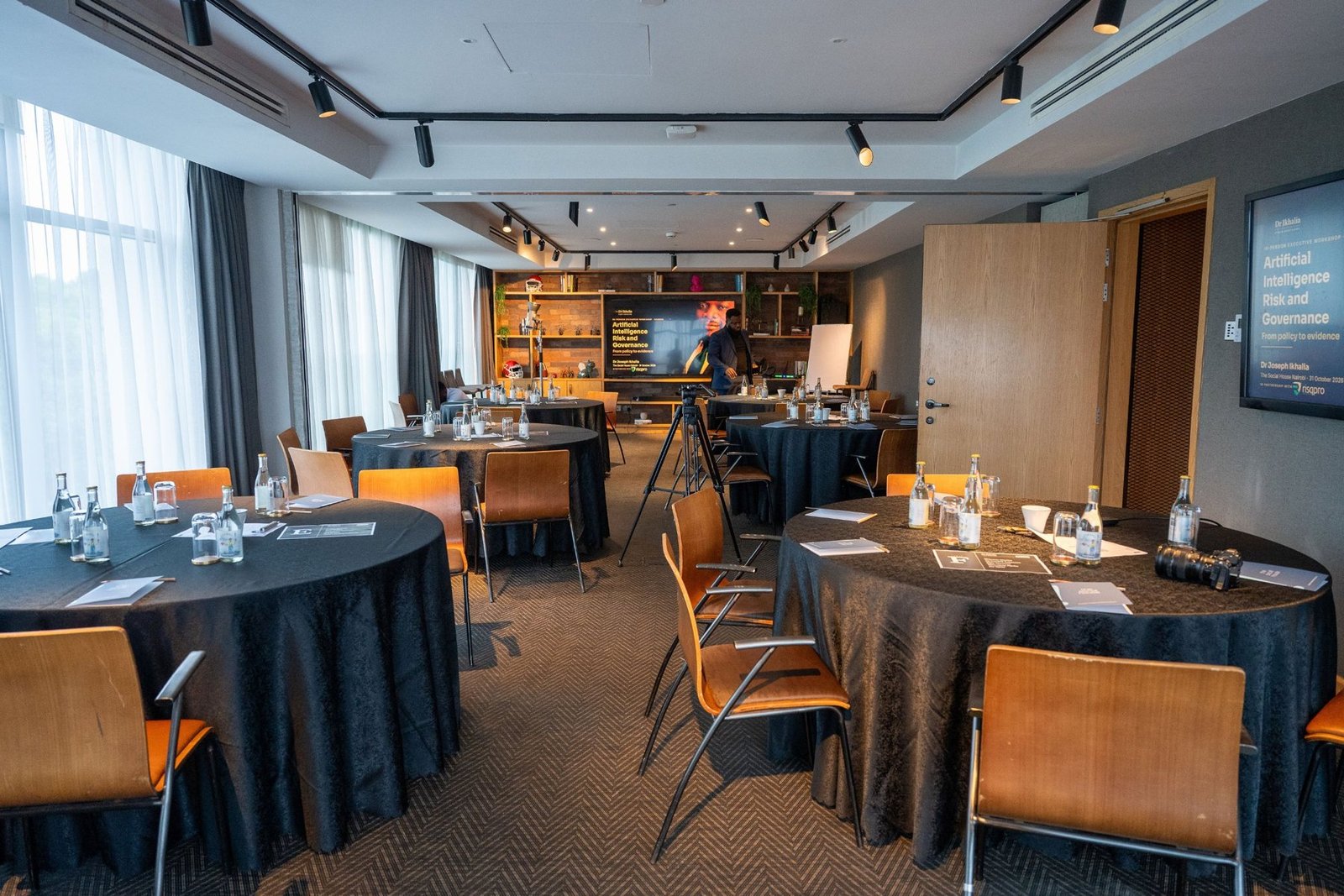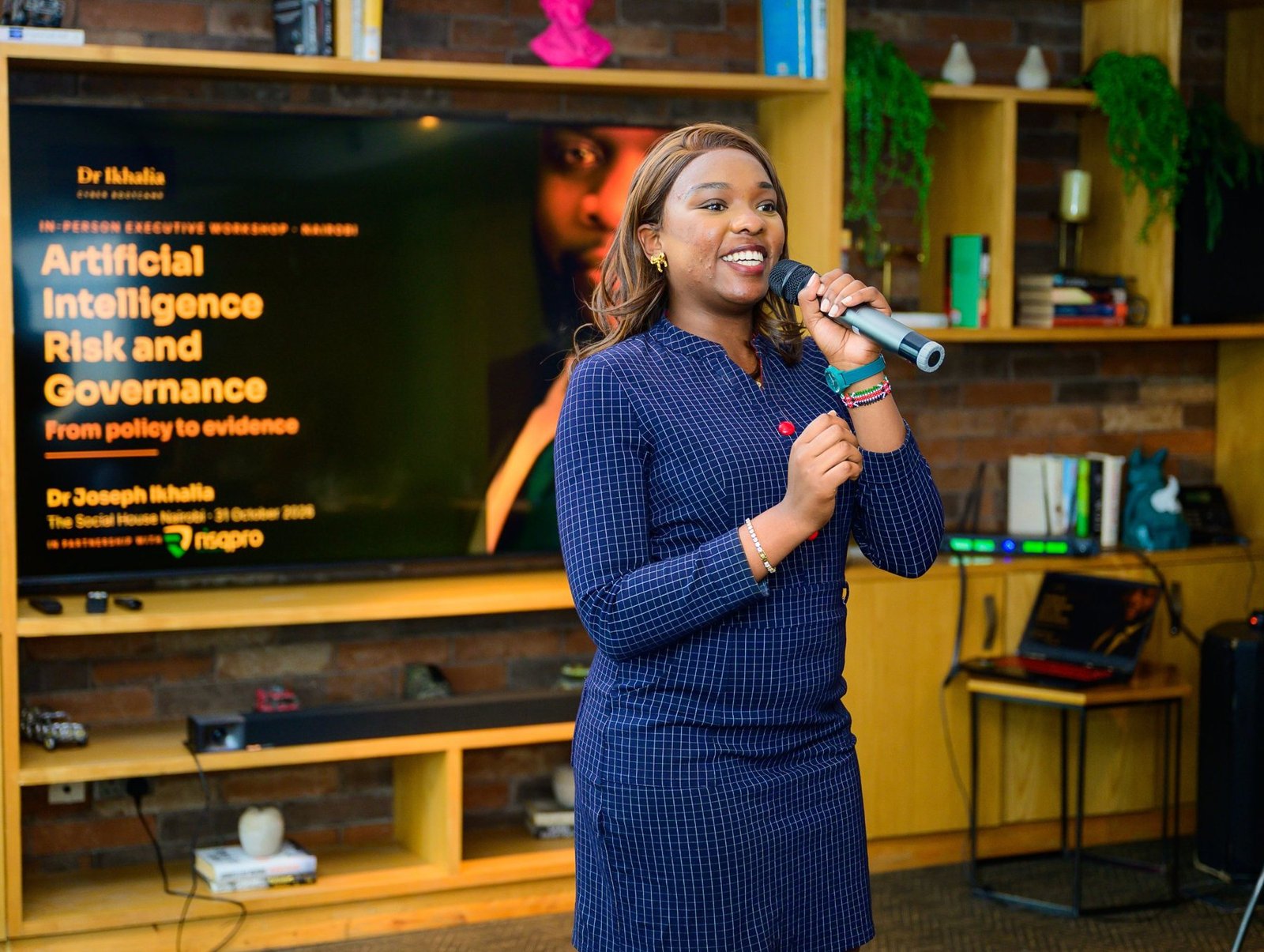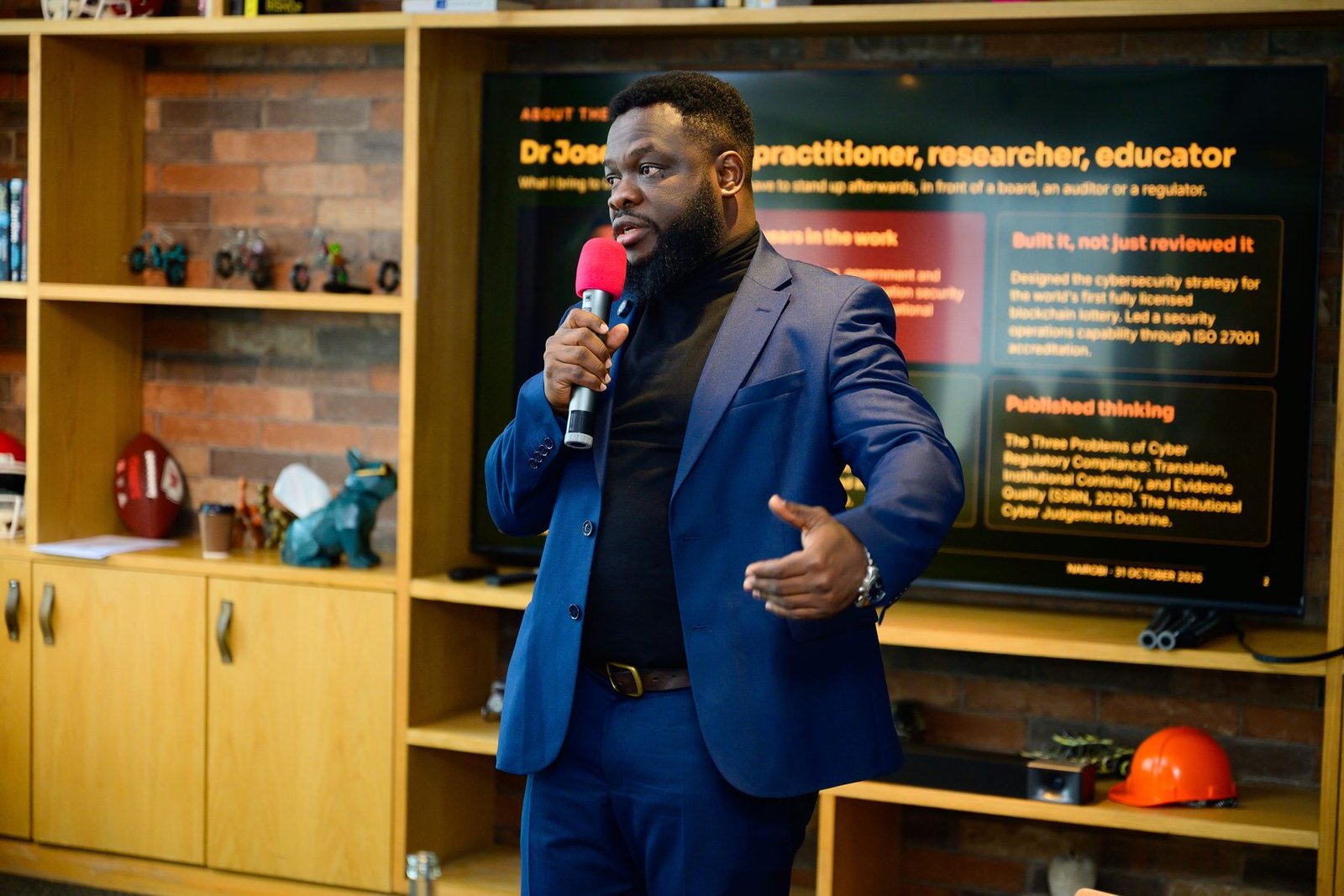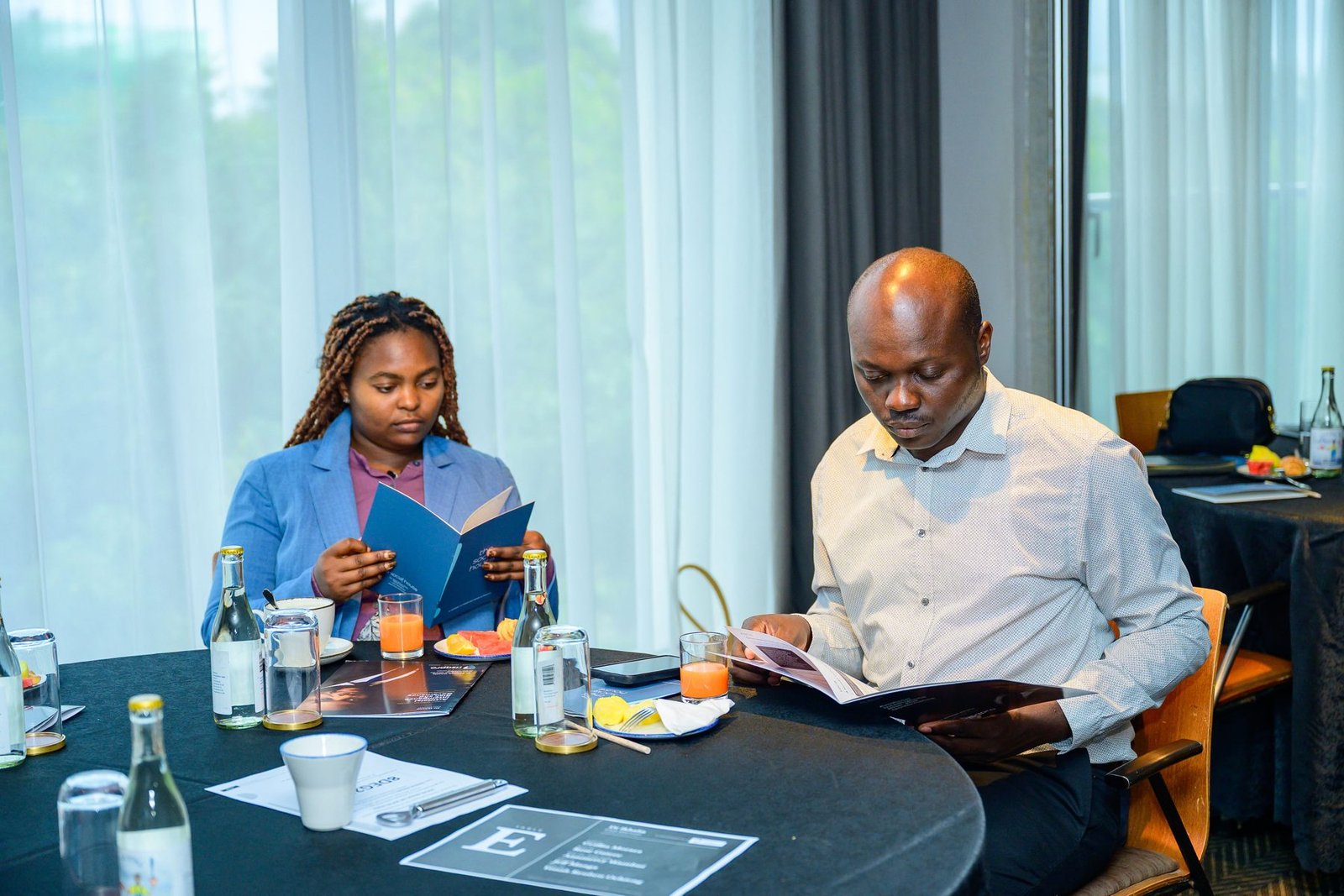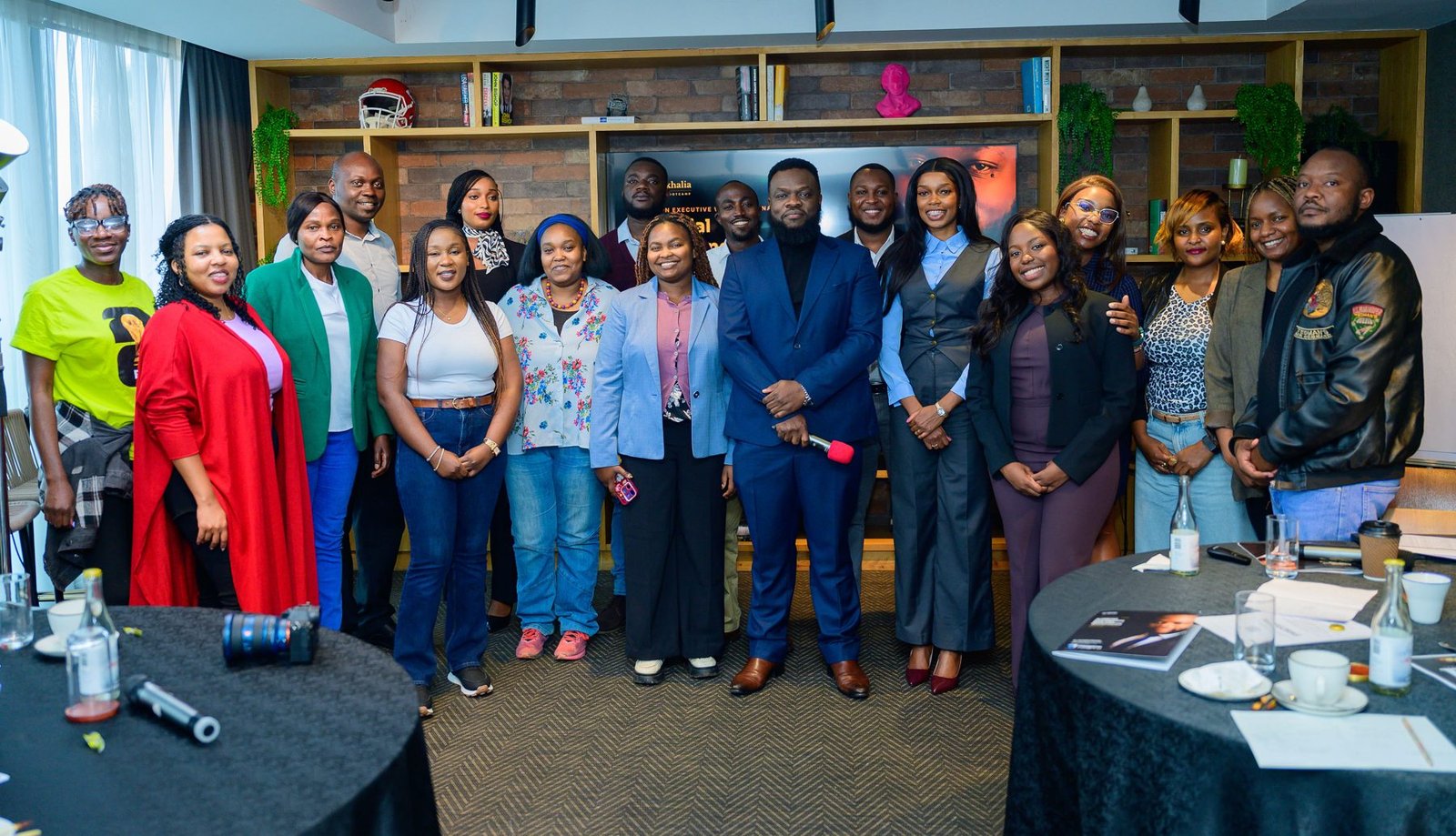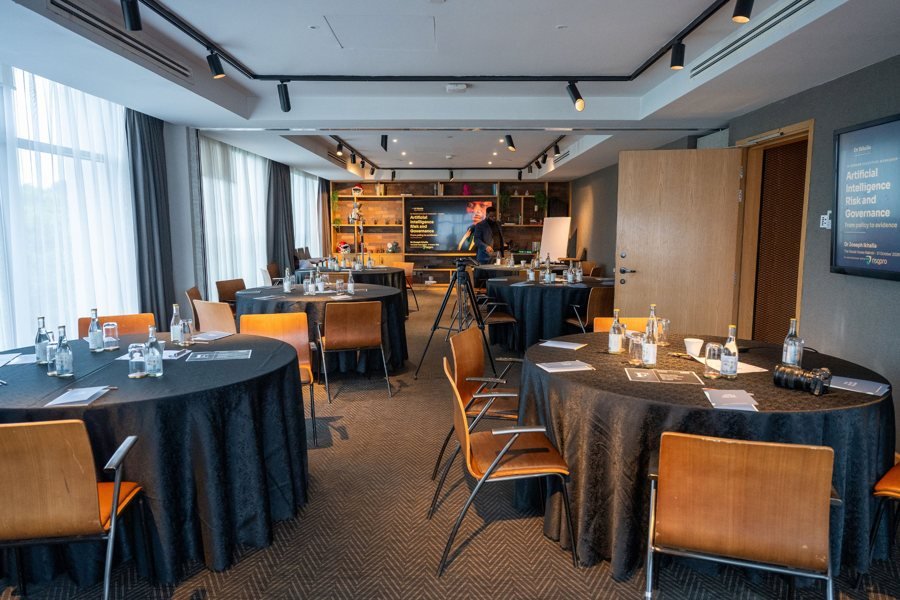
Nairobi, 31 October 2026. Every seat taken.
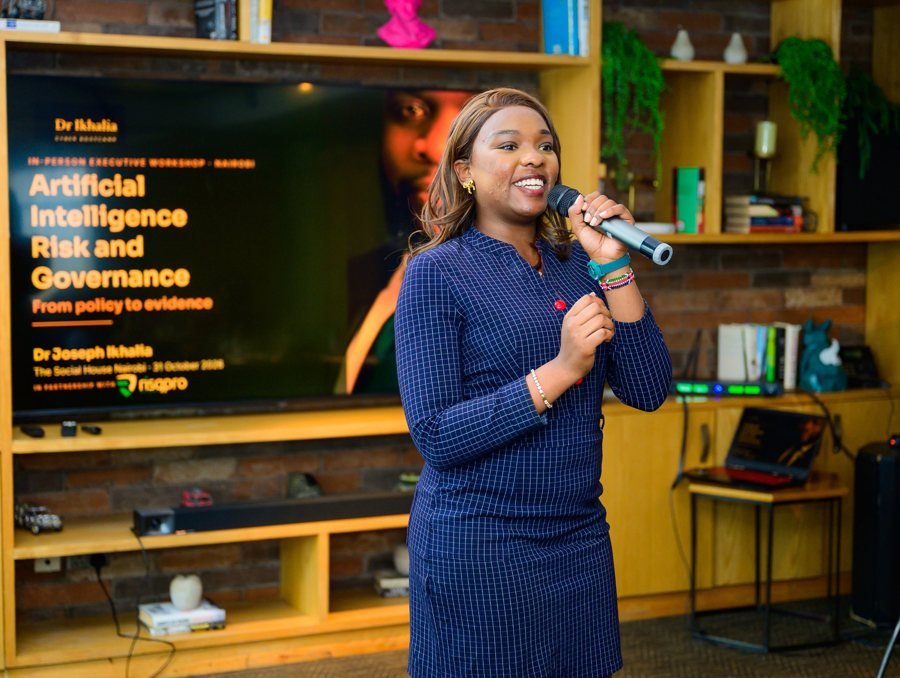
DICB’s first executive workshop in Kenya. Artificial Intelligence Risk and Governance: From Policy to Evidence, at The Social House Nairobi, in partnership with RisqPro Group.
Governance
Who owns the decision, under what authority, and what the record shows.
Regulation
What the law requires today, what is draft, what is proposed, and the difference.
Evidence
What an organisation can actually demonstrate, to a board, an auditor or a regulator.
One morning, one use case, a decision leadership could act on
Thirty professionals from banking, law, technology, insurance and government took every seat. They assessed a real artificial intelligence use case, built a risk register entry, screened it against Kenyan law as it stands today, and wrote a one-page briefing their leadership could act on. Then a panel of three argued over who signs off.
The room
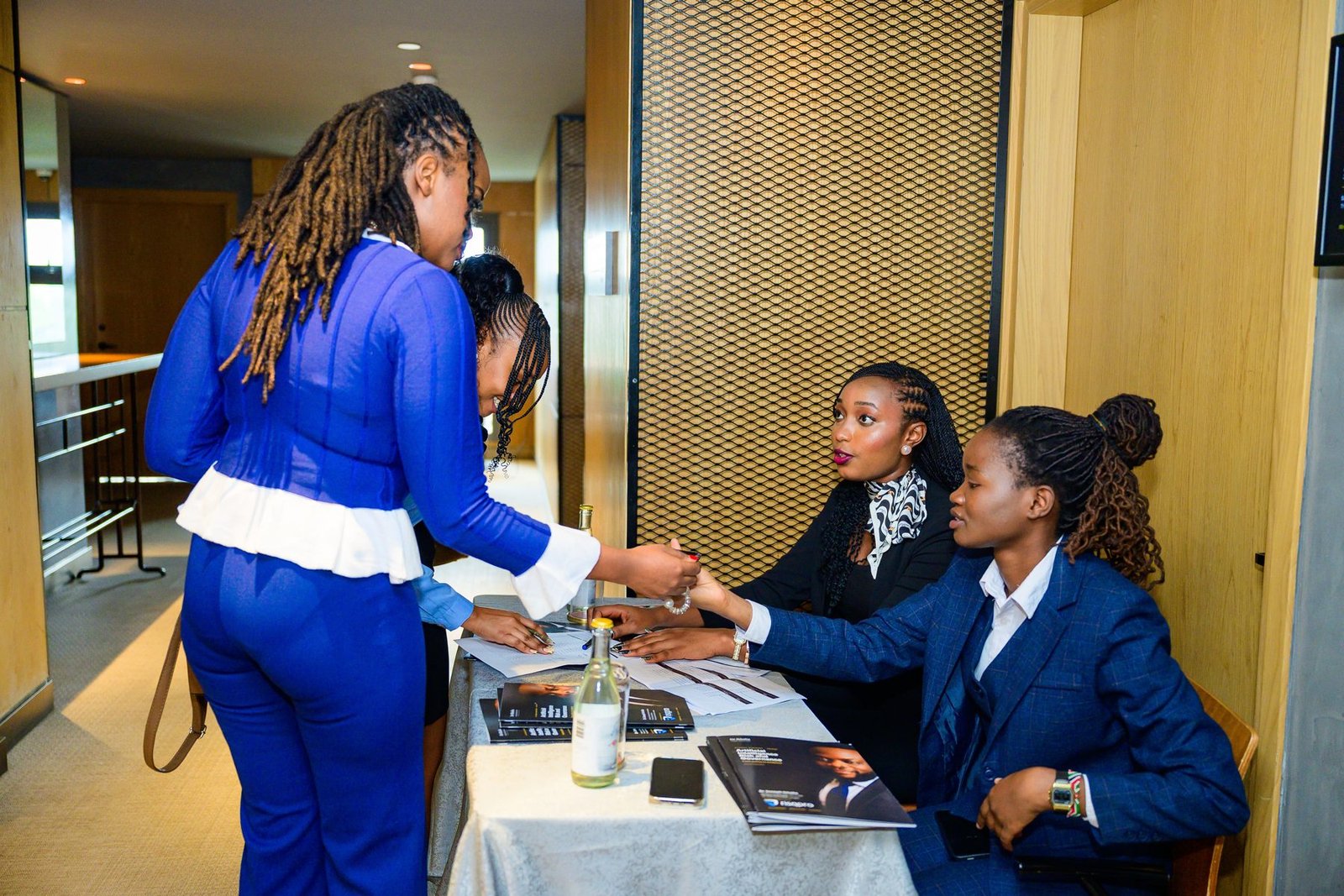
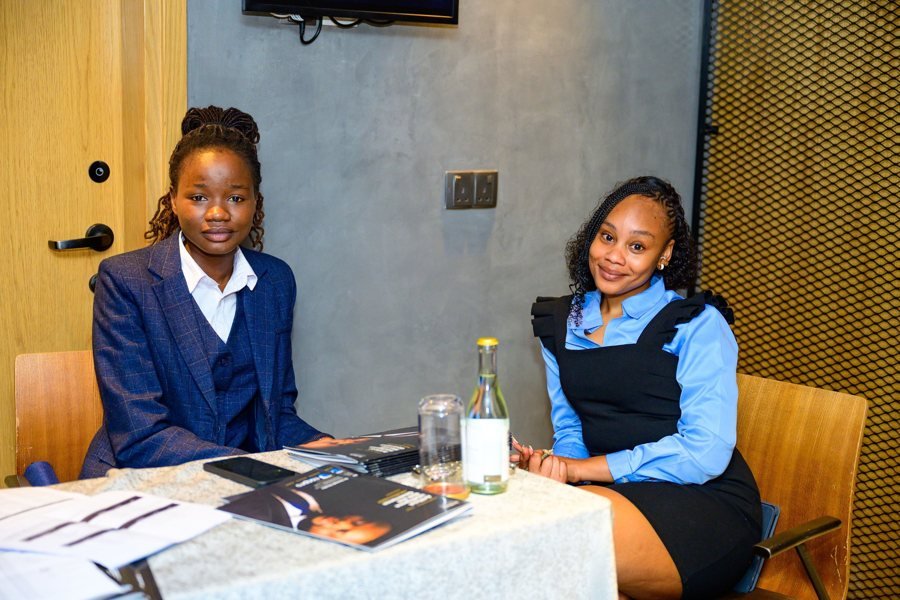
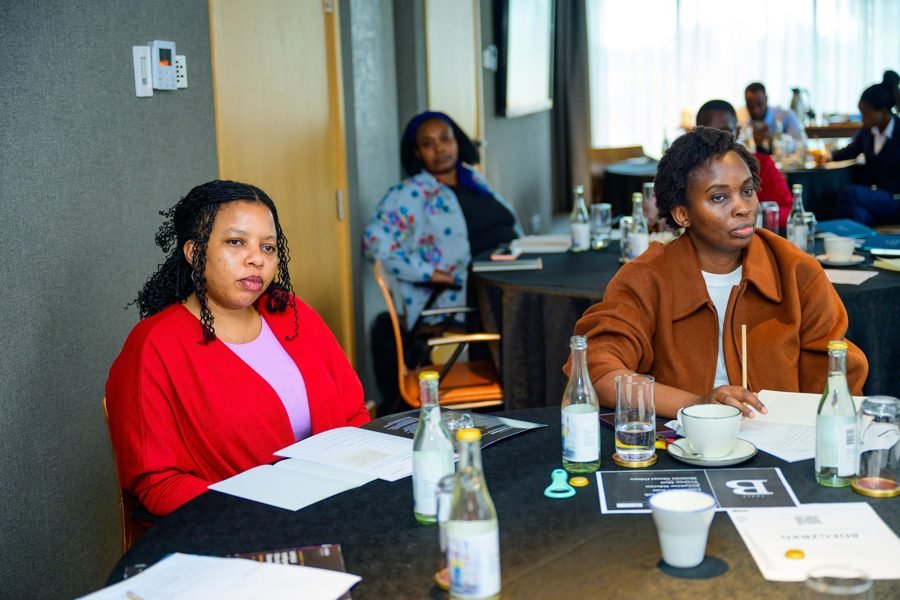
The Social House Nairobi, round tables lettered A to F, a workbook and a name card at every place. Registration gave each person one Delegate ID, the same one that appears on their invitation letter, in the register and on their certificate.
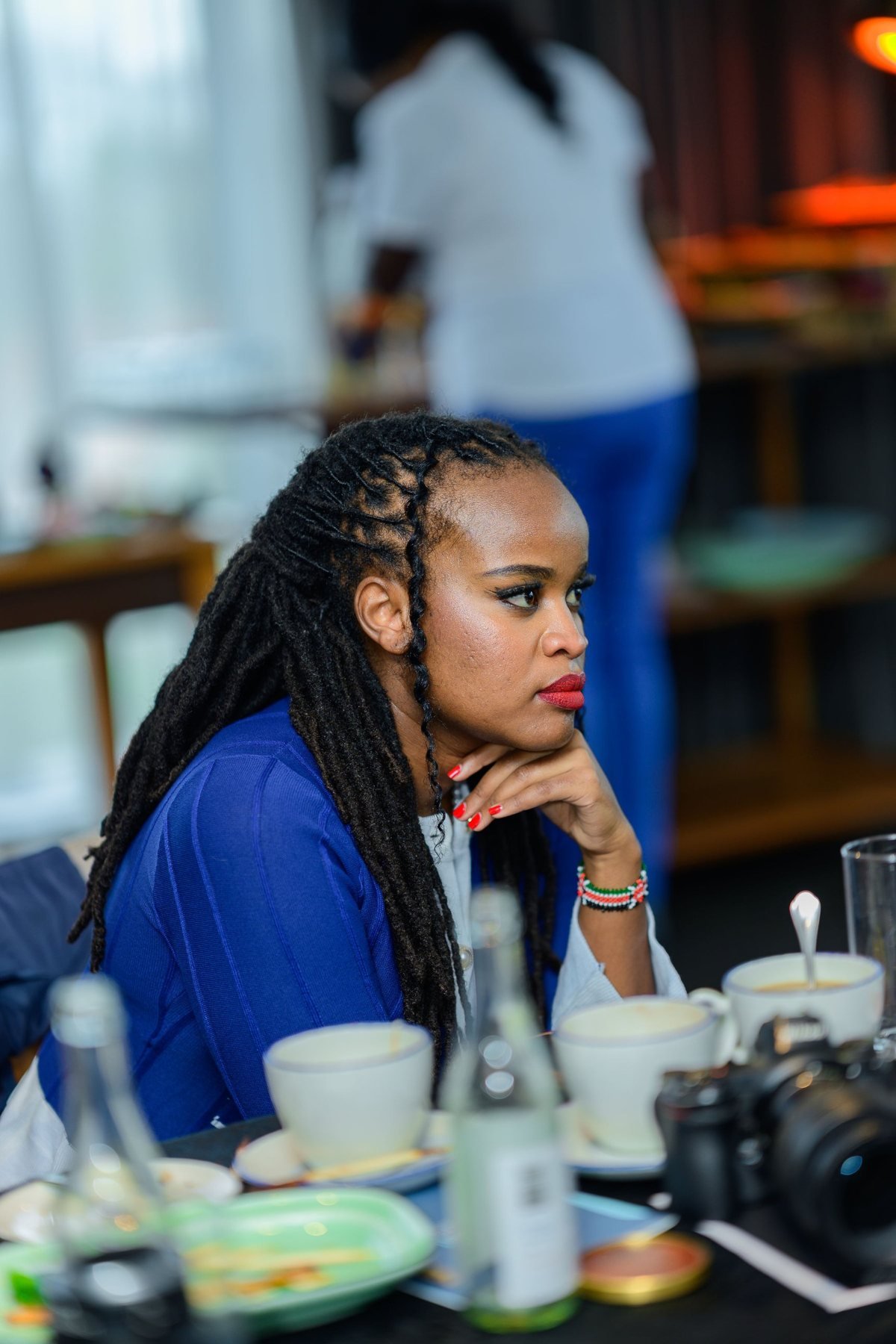
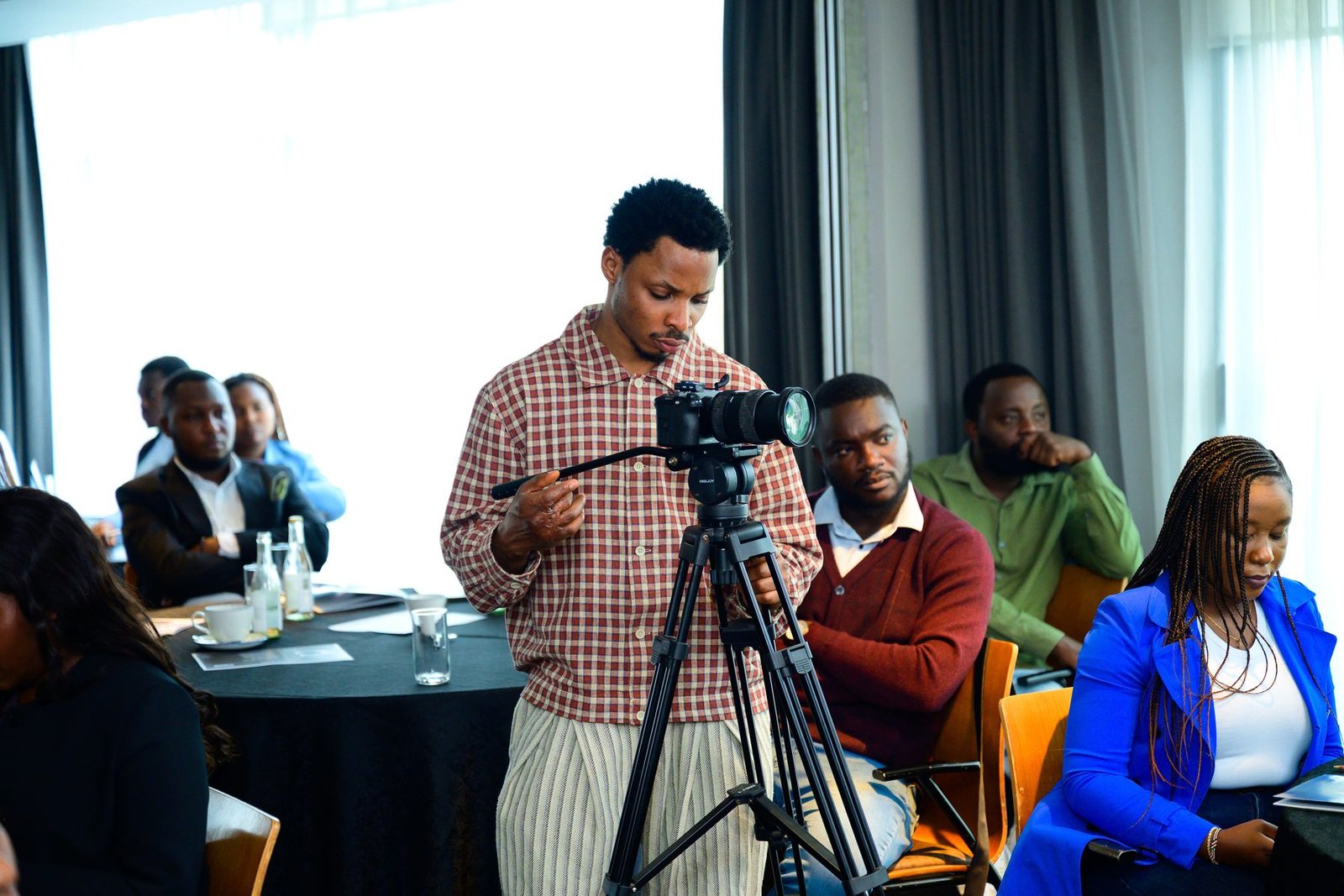
At ten to ten the chairs were still filling. By ten past ten there was not a spare one. Bankers, advocates, technologists, insurers and public servants, most of them meeting for the first time, and all of them in the room for the same reason: somebody at work was about to ask them a question about artificial intelligence that a policy could not answer.



The teaching
Status first. Before anyone assessed anything, the room learned to separate the four layers of the Kenyan position: what binds today under the Data Protection Act 2019, what the regulator has said in draft, what the national strategy signals, and what is only proposed. A strategy is not a law, and a draft guideline is not a rule, and recording either as if it were is how organisations end up defending a position nobody required of them.
Then one case, carried all morning: a fictional Kenyan retail bank and its customer-service assistant. Who approved it, what did they look at, and what evidence would show the human in the loop was actually a control last week?



The working papers
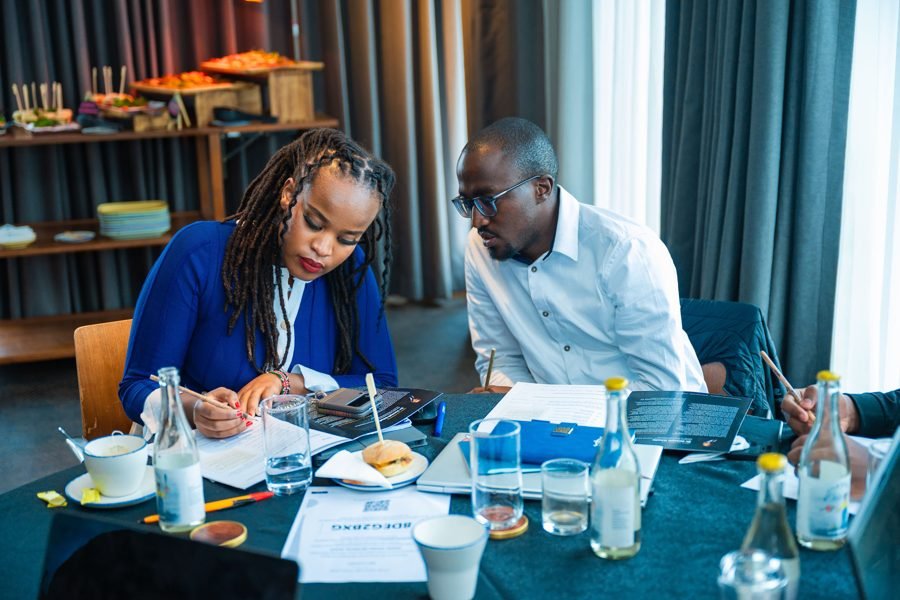
Four of them, in a printed workbook, each person working on a use case from their own organisation. Assess the risk: use, harm, likelihood, existing controls, residual risk, a provisional call. Build the register entry: cause, event, consequence, owner, treatment, review. Screen the law: lawful basis, whether an impact assessment is triggered, whether section 35 on automated decisions applies and who really decides. Make the governance decision: approve, approve with conditions, escalate or defer, do not approve, written for a manager who needs an answer.
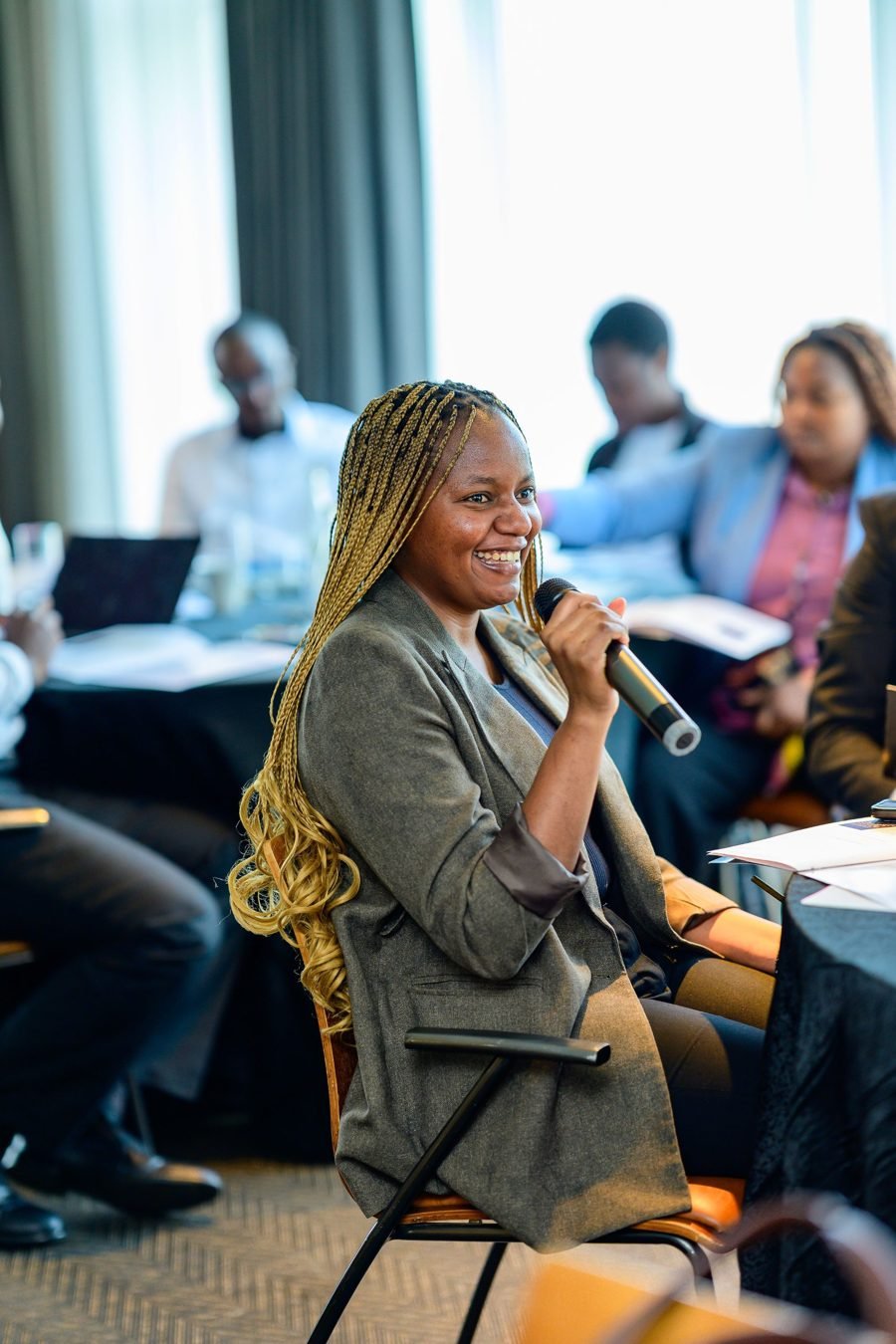
The answers got easier once each person had to bring one real use case. The point raised from the floor that travelled furthest afterwards was about procurement: a fraud model built elsewhere can flag ordinary East African transactions as suspicious, and if that question is first asked after deployment it is already too late.

The panel: who signs off?
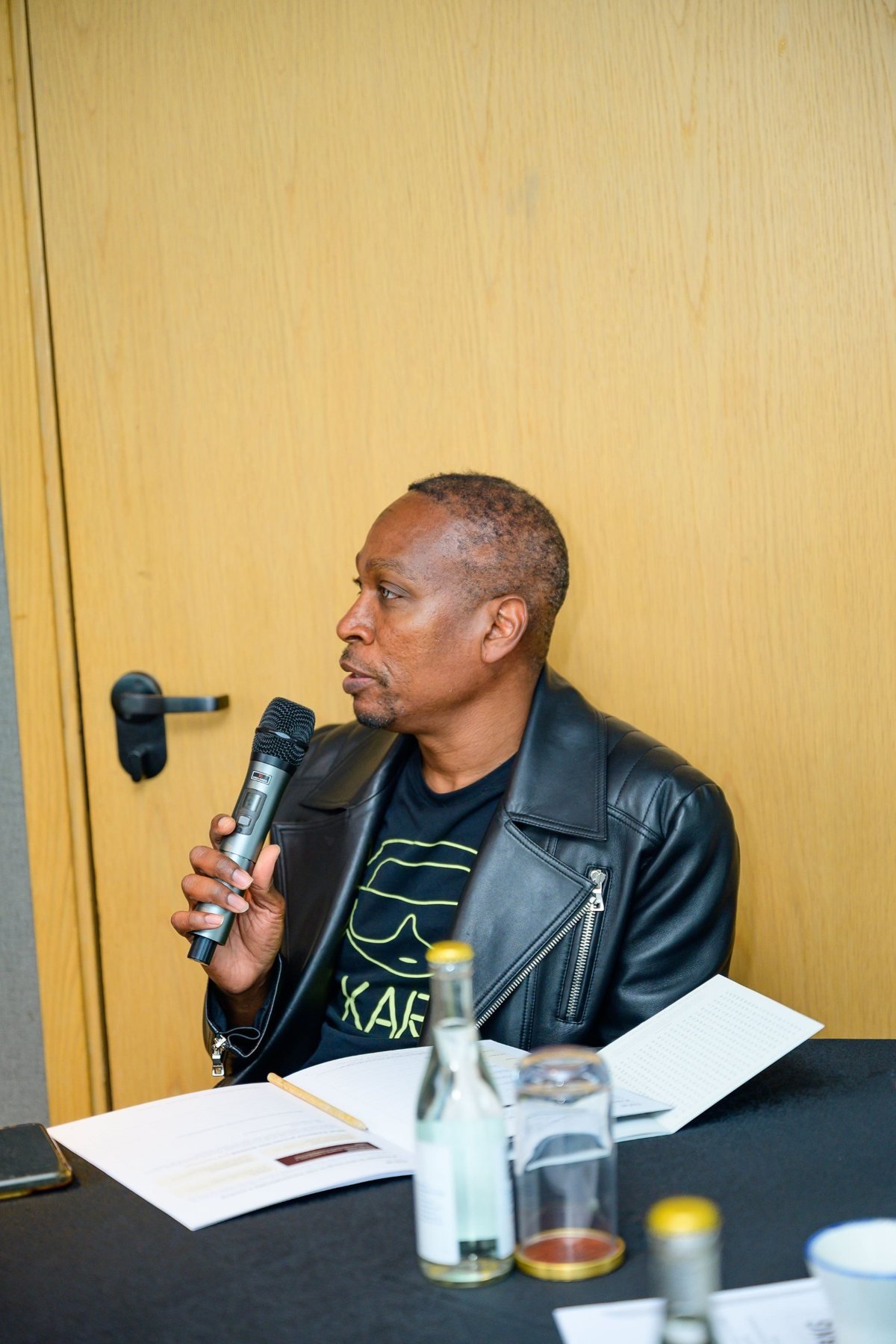
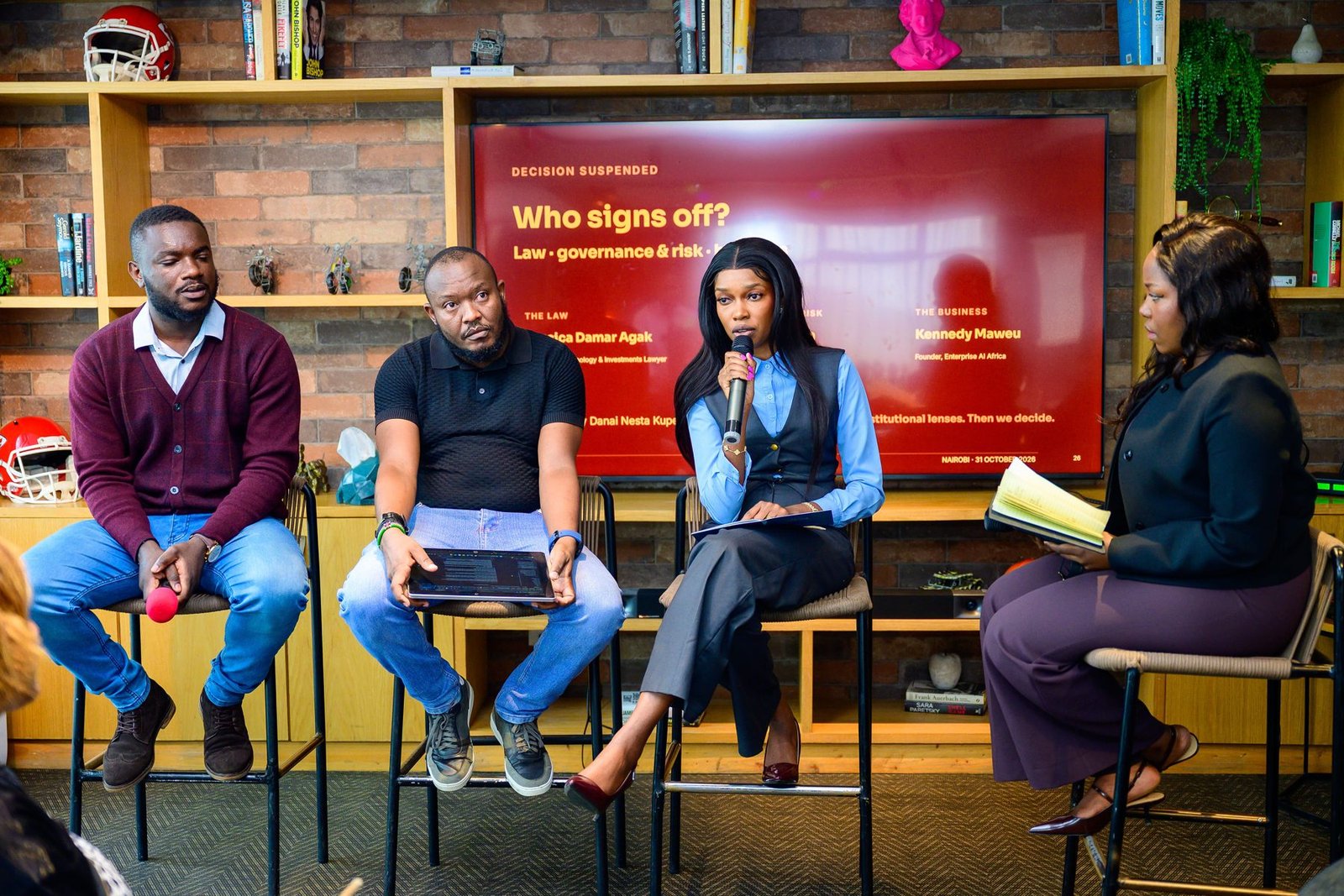
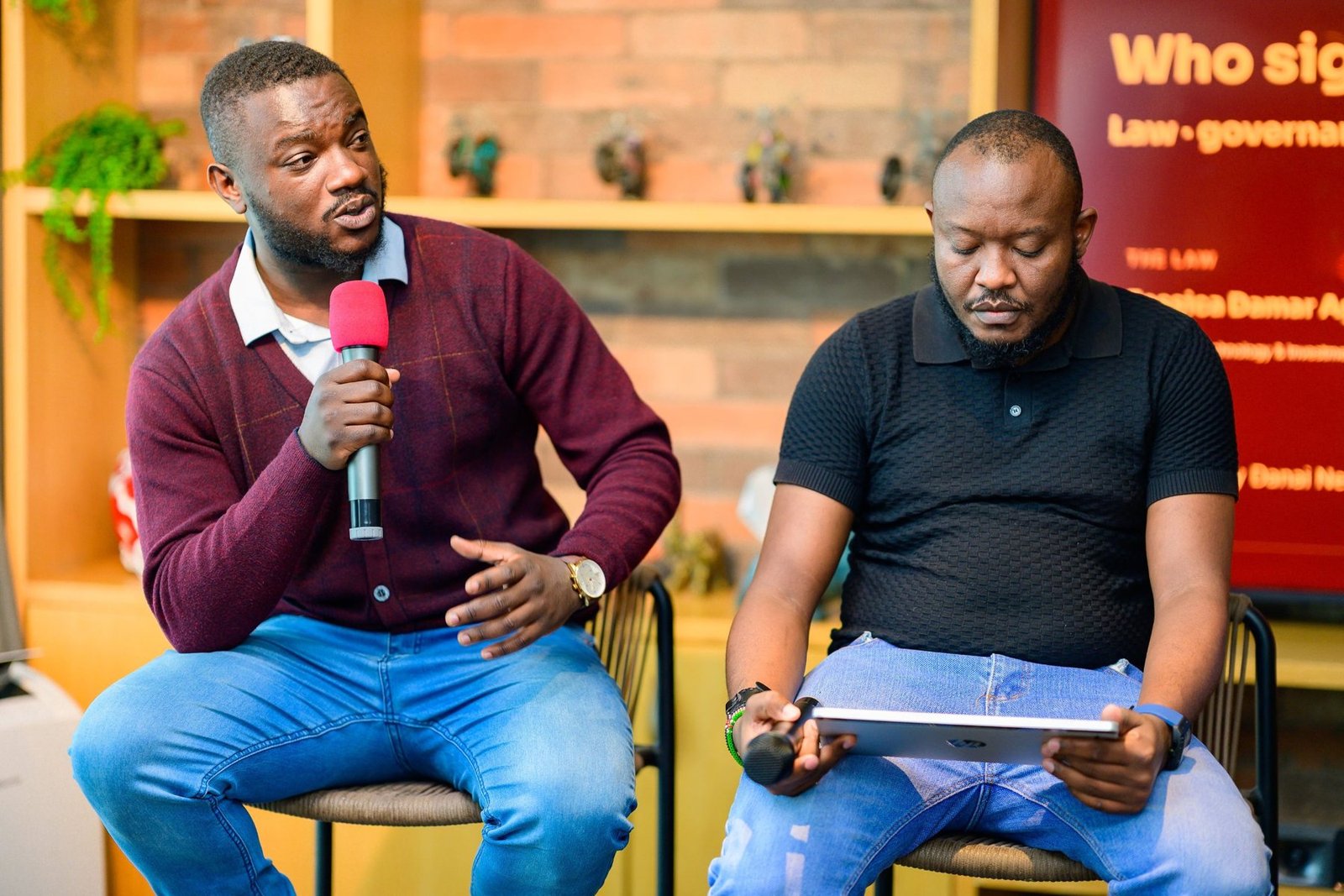
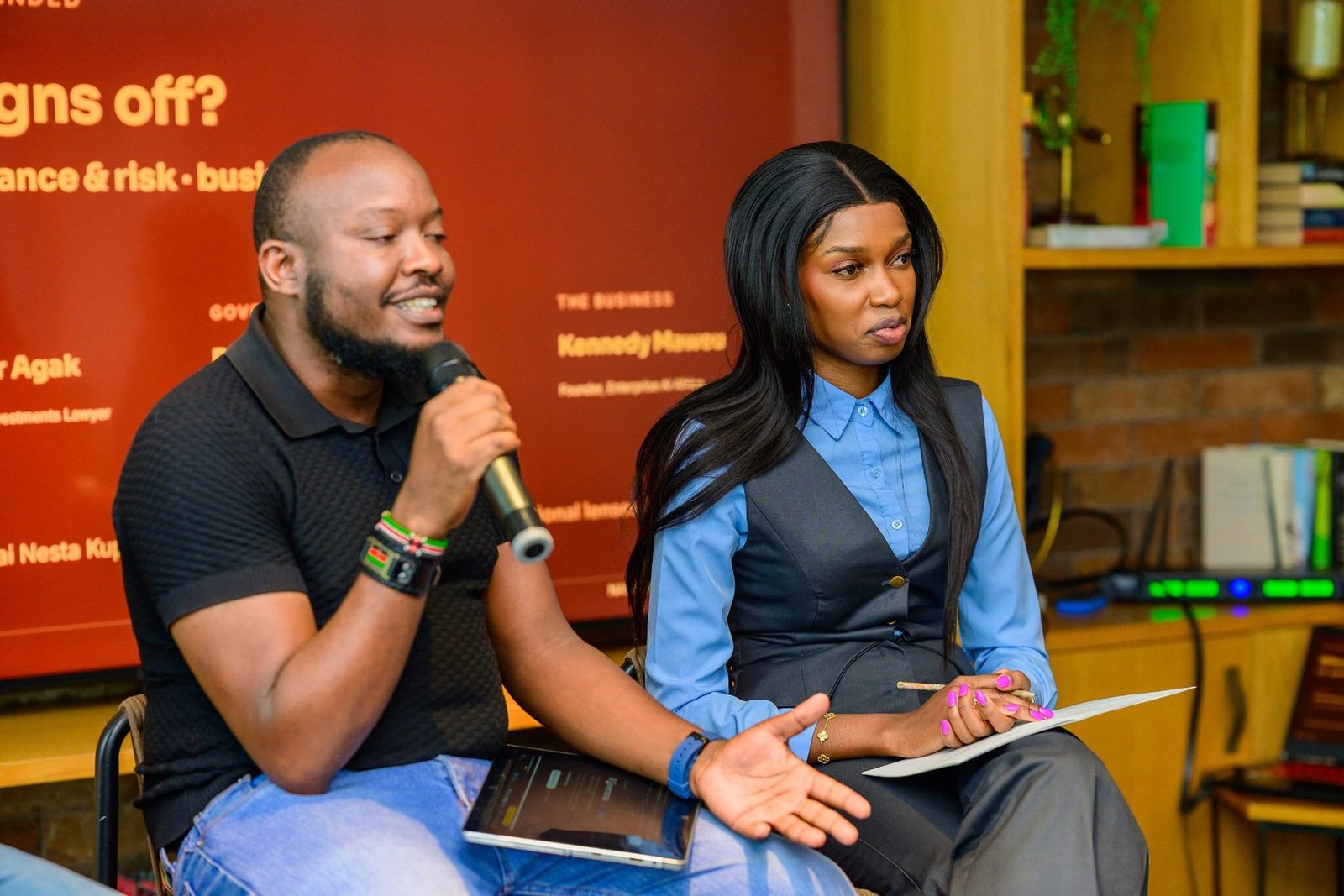
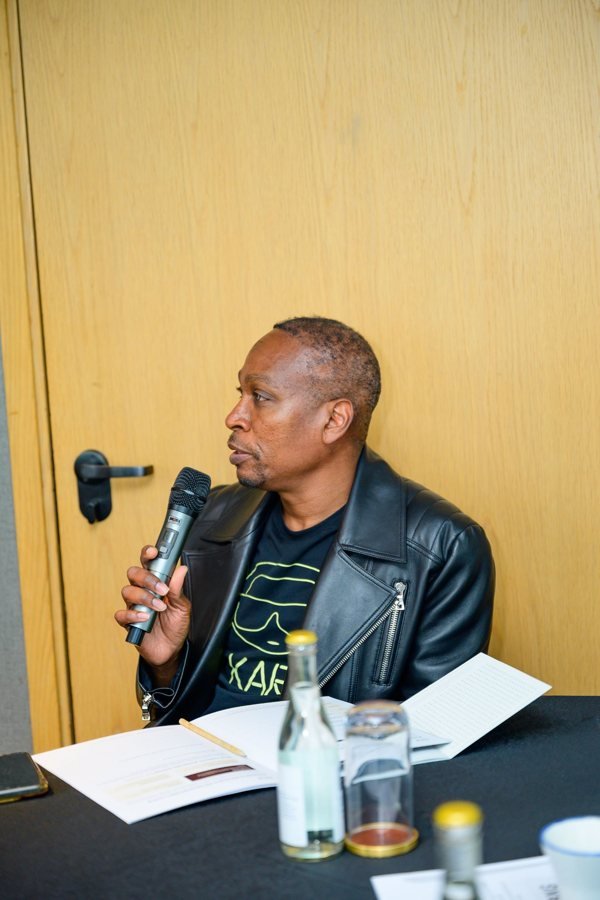
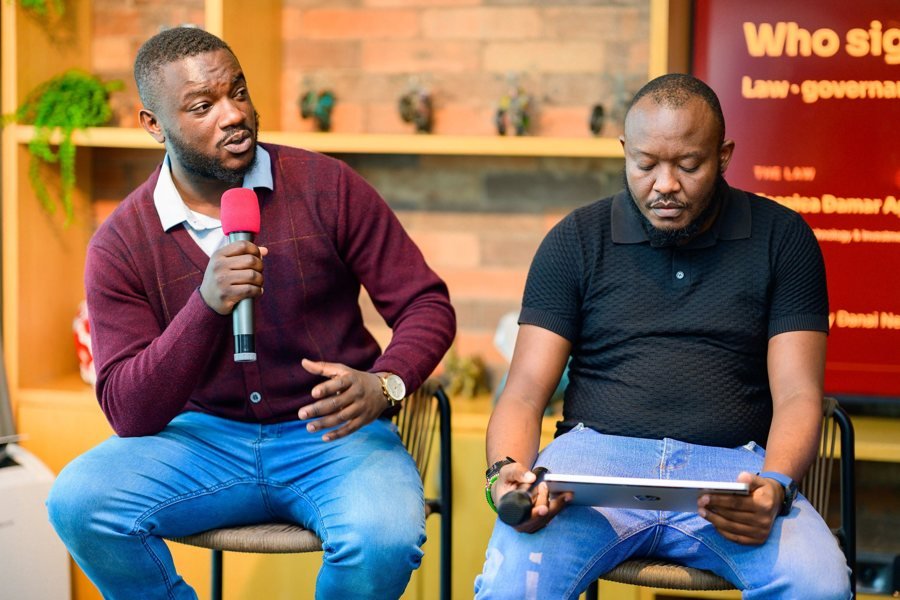
Three seats, three answers. The law, represented by Jessica D., advocate. Governance and risk, represented by Danstan A. of RisqPro Group. The business, represented by Kennedy M. The question was the one every organisation in the room will face: when the use case reaches the table, who signs, on what evidence, and who carries it afterwards?
The panel did not agree, which was the point. The lawyer wanted the lawful basis and the impact assessment before anything else. Governance wanted a named owner and a review date. The business wanted to know what the decision would cost in time, and whether “approve with conditions” was a decision at all. Everyone in the room had heard that argument before, at work, without a method for settling it.


The certificates
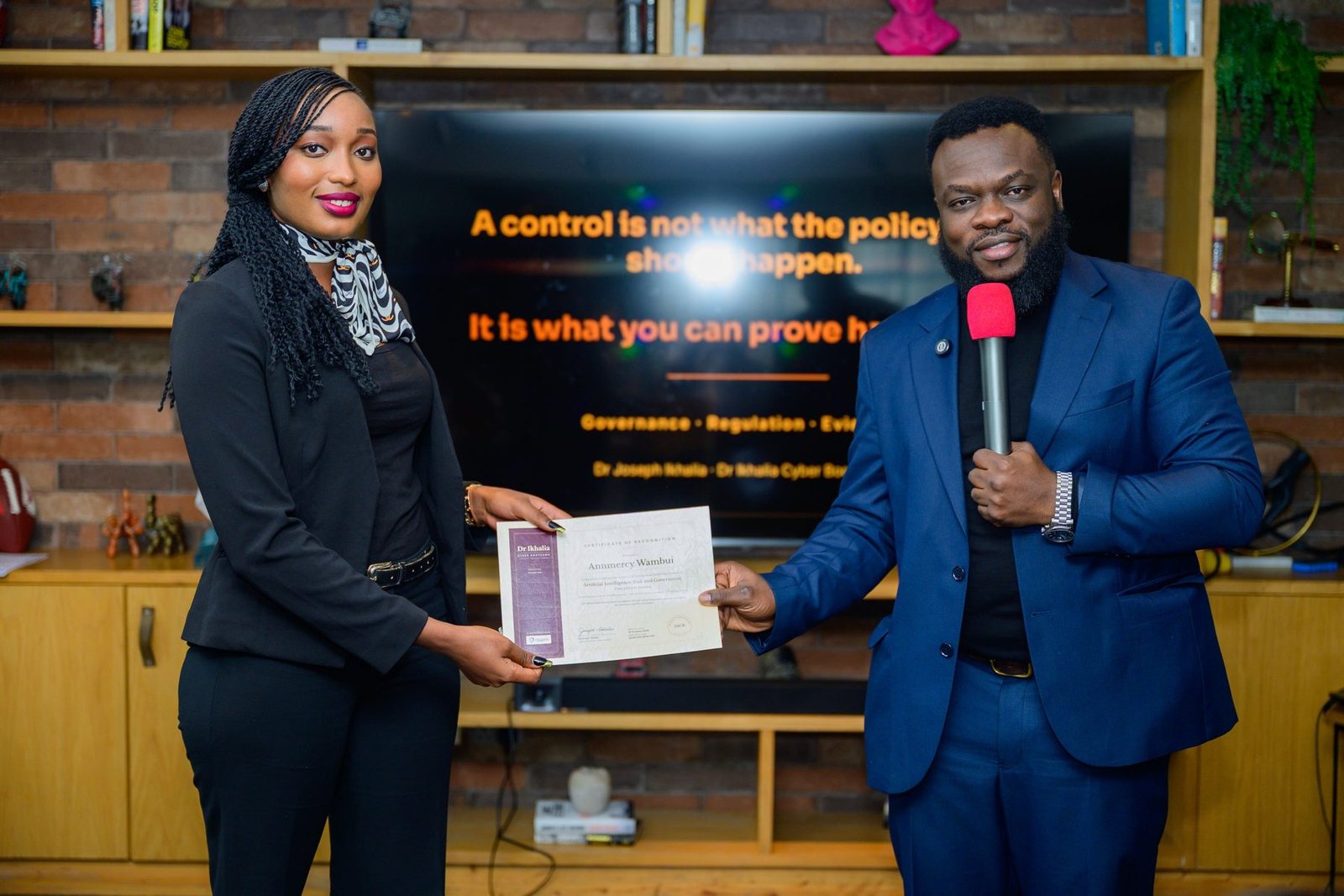
Every participant left with a certificate of attendance bearing their Delegate ID, entered in the DICB certificate register. It records a morning’s work, not a qualification, and the people who received one seem to have valued it for exactly that: one participant wrote afterwards that he had walked away with a certificate he was proud of.
They also left with their four completed working papers, a register entry for a use case in their own organisation, and the closing line of the day, which is the line DICB is built on.


A control is not what the policy says should happen. It is what you can prove happened.Dr Joseph Ikhalia, closing the Nairobi workshop, 31 October 2026
In their words
Policy is only a guideline, and a guideline alone cannot govern artificial intelligence. When it comes to compliance, you need proof and evidence that you are deploying it responsibly. In Africa, governance has to start at procurement. If that question is only asked after deployment, it is already too late.ParticipantWinston M., artificial intelligence governance and strategy adviser
Going from empty chairs to a full room by ten past ten tells you the question is real. What stayed with me from the floor: the answers got easier once each person had to bring one real use case. Who approved it, what they looked at, and who is checking it now are questions a policy cannot answer. Only a record can.PanellistKennedy M., the business perspective
I found the workshop very informative and thought-provoking. I was particularly challenged by the insights shared and the need to deepen my understanding of cybersecurity. I look forward to future engagements.ParticipantYvonne M., senior associate, Nairobi law firm
The morning in pictures
Thirty-five photographs from the day. Choose a chapter, or open any picture and use the arrows.










Nairobi, March 2027
The next DICB executive workshop runs in Nairobi in March 2027. Thirty seats again, one real use case again, and the law as it stands on the day. Date, venue and booking open soon; leave your details and you will hear first.
The same workshop can also run privately, in your boardroom, for your leadership team or your clients.